Top 5 ways you can make a difference as Guide.
Are Nature Guides good for Conservation?
One of the many questions we get asked at Bhejane Nature Training, is does being a really FGASA Nature Guide really help with wildlife conservation?
Here are the top 5 ways you can make a difference as a nature guide.
Guides are Dreamweavers
One experience at a time opening a door to new realms, new worlds and new ways of experiencing the natural world.
When we change the way we look at the world, the world starts to change dramatically. Almost everyone that loves nature has seen a David Attenborough documentary. His narration brings so much magic, insight and depth to the film. Can you imagine what that documentary would be like without his narration? Guides bring this magic to their guests when they show them where to look, share little bits of information, at just the right time and leave their guests awe inspired about the wonders of nature.
Just like the creative craft of David Attenborough and his team has inspired so many young people to follow a career devoted to nature, skilled guides turn “average Joe’s” into naturalists ready for their next learning experience every day.
And that is where the conservation impact starts. People protect what they value – and it is difficult to value something you have never really experienced or understood.
A great guide can make a guest arrive wanting to tick a lion off their list and leave equally excited about the dung beetle crossing the road, the tracks they learnt to recognise, or the tiny frog calling outside their room.
As a guide, you may never know how far that influence travels. The experience you create today could shape the way someone thinks about wildlife and wild places for the rest of their life.
That is the power of being a Dreamweaver.
Nature Guides are Trendsetters
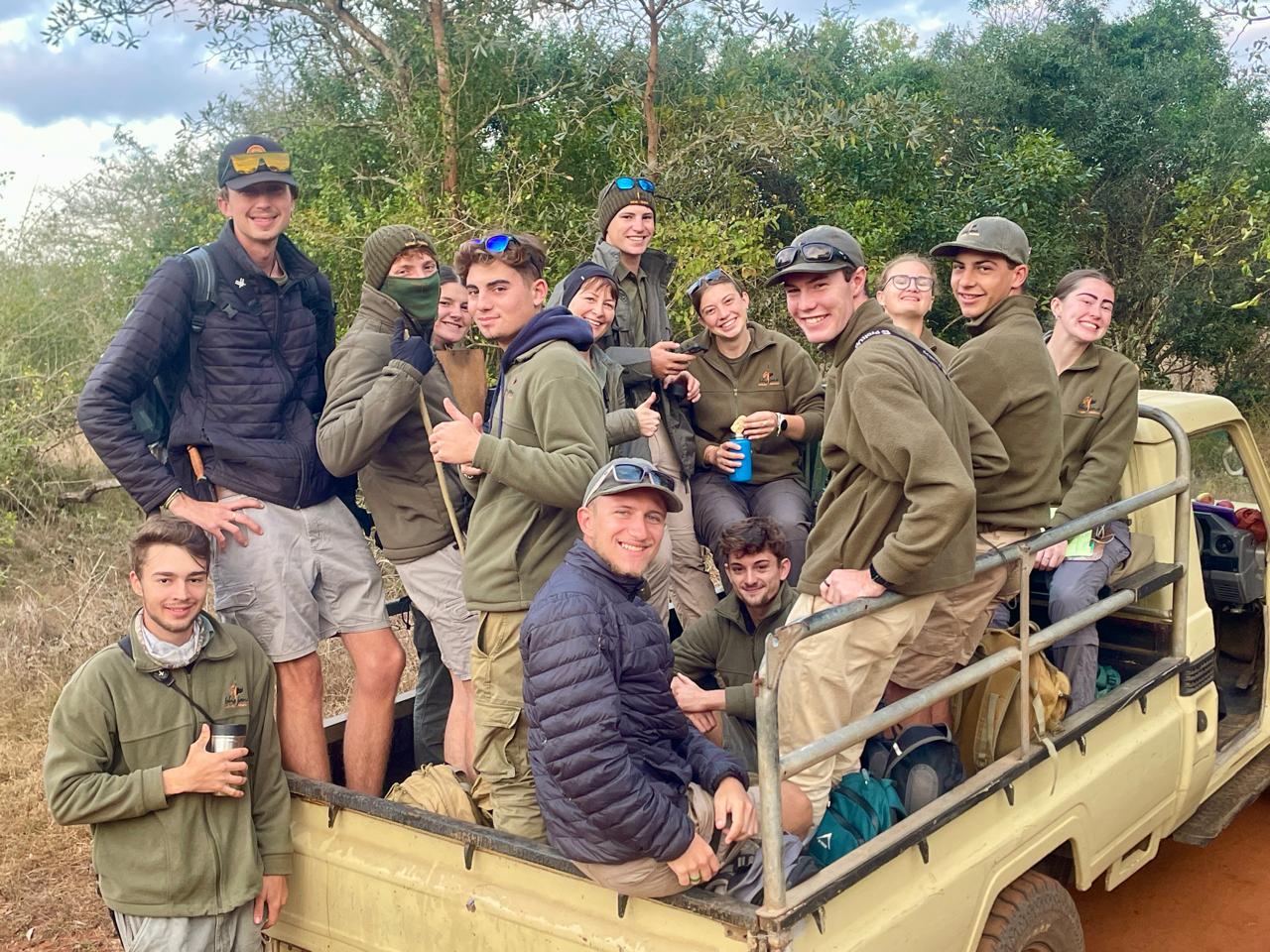
How cool is it to have an appreciation for the outdoors – a reconnection with nature – as the trend you are setting! Nature guides work in such amazing places and do so many exciting things. Almost everyone enjoys reading, watching or hearing about the amazing encounters guides have every day. Thanks to Social media platforms like Tiktok, Instagram and Youtube, these experiences become accessible to millions more people and not only the lucky 9 on the back of your game viewer for this morning’s drive. Click through to some of the social media links below to share in some of our recent experiences.
And here is the really cool part: you get to decide what you make cool.
If every photograph, video and story is about lions, leopards and elephants, that is what people learn to value. But Nature Guides have some of the best opportunities in the world to make people stop scrolling for the small things too.
A chameleon. A dung beetle. An incredible bird. A strange plant. A frog calling after the first summer rain. Or simply a really good story about something happening in nature.
Your enthusiasm tells other people: this is worth noticing.
That makes Nature Guides pretty powerful trendsetters for the natural world.
Click through to some of the social media links below to share in some of our recent experiences.
Nature Guides help to shape the future
There is a popular saying in conservation – “if it pays, it stays”. Guests that had unforgettable life experiences with guides, and a newly inspired online community eager to also come out and experience this refreshing trend to be in close to nature -is how guides ensure day by day to keep the demand for nature based experiences growing ,outcompeting other industries and their associated land use.
And this is not just a catchy saying. Wildlife needs space – and land has many competing uses.
Nature-based tourism is one of the ways that keeping land wild can create economic value and meaningful livelihoods. Guests travelling to experience wildlife don’t only support guides. Their visit creates work for trackers, lodge staff, chefs, housekeepers, reserve teams, suppliers and many other people living and working around wild areas.
A Nature Guide is part of that much bigger conservation economy.
Every time we create an experience that makes someone want to return to nature, tell someone else about it, or explore another wild place, we help keep the demand for wild experiences alive.
If wild places have value, we have another very good reason to keep them wild.
Nature Guides are Wildlife Monitors
Eyes in the field and feet on the ground makes for an enormous amount of patterns, and sighting information that makes its way to valuable research efforts on a daily basis. Guides contribute to the development of databases that help researchers learn more about so many wildlife populations and behaviours. Nature Guides help wildlife conservation projects in this way.
Think about it: who spends more time actually looking at what is happening in the bush than a working guide?
Guides notice things.
When the first migrant birds return. When a particular animal starts appearing in a different area. When a nesting site becomes active. When an animal is injured. When an invasive plant appears somewhere new. When rainfall, water or vegetation changes animal movements.
One observation might not tell us very much. But observations collected by many people over months and years can start revealing important patterns.
Today, guides can contribute those observations through reserve monitoring programmes, research projects, bird atlases, species databases and citizen-science platforms.
Even your species lists and field notes are the beginning of the same important habit:
Learn to look. Learn to notice. Learn to record.
Those are conservation skills.
Nature Guides are Next-level Educators
Although many guides were probably the “cant sit still, cant focus and always in trouble” schoolkids that hated school, having the opportunity to touch so many lives by just sharing and living their passion – those same “always in trouble” kids from school become inspirational heroes to the next generation of kids.
And perhaps that is exactly why Nature Guides can be such great educators.
Your classroom doesn’t have walls.
Your lesson might start because an elephant walks across the road. Or because somebody finds a spider. Or notices that the grass has been burnt. Or asks why a rhino has had its horn removed.
You don’t have to lecture people about conservation. You get to help them discover it.
And somewhere amongst the hundreds of people you meet during your guiding career could be another young person who suddenly thinks:
“Wait… you can actually do this for a living?”
Just like someone once inspired you.There are many other ways that Nature Guides help Wildlife Conservation – can you think of any more?
Perhaps that is the exciting thing about choosing a career as a Nature Guide.
You don’t have to wait until you are a famous conservationist, researcher or wildlife expert before you can make a difference.Every person you inspire, every observation you record, every story you share and every wild place you help someone understand is already part of it.
About Bhejane:
Bhejane Nature Training is a FGASA (Field Guides Association of Southern Africa) Endorsed Training Provider based in northern KwaZulu Natal, South Africa. We provide professional career training for nature guides, trails guides, marine guides, and conservation entrepreneurs! We also offer nature based, career development gap year programmes and a variety of short courses. Browse our website and socials to join us in Bhejane Territory.
Posted on: 6 September, 2022 by the Bhejane Tribe