Do you have what it takes to be a Safari Guide?
“Do you think I can make it as a field guide?”
It’s a question we have been asked hundreds of times over the years.
The answer usually surprises people.
“We don’t know.”
Not because we are avoiding the question, but because nobody truly knows on day one.
Our job isn’t simply to teach you how to become a guide. Our job is to help you discover where you fit.
What we do know is this: if you’re excited by the idea of working outdoors, sharing incredible places with people, and building a career in the safari industry, then you’re exactly where you need to be., keep reading.
Why some field guide students thrive, while others struggle
After watching hundreds of students move through field guide training, we’ve learned something surprising. The people who build remarkable careers in the safari industry aren’t always the ones you’d expect.
The students with perfect test scores dont always become the best guides. The person with the loudest personality doesn’t always lead the most memorable safaris. Sometimes the quiet student who simply shows up with curiosity every single day goes on to achieve incredible things.
Success as a safari guide has less to do with what you know when you start and everything to do with how you choose to approach the learning process.
Attitude Shapes Everything
The biggest difference between students who flourish and those who struggle isn’t intelligence or previous knowledge. It’s attitude.
Students who thrive get excited about almost every opportunity. They don’t waste time deciding if an activity is “worth it.” They want to get out there, practice their guiding skills, and learn as much as possible.
A sunrise game drive? They’re in. Helping with a bird survey? Absolutely. Joining a game count or volunteering for extra activities? Sign them up.
To them, every moment is another chance to grow.
Students who struggle often look for opportunities that match a very specific picture in their minds. They want the perfect sighting, the perfect placement, the perfect salary. When reality doesn’t match their expectations, disappointment follows. They often walk right past incredible learning moments because they don’t recognize their value at the time.
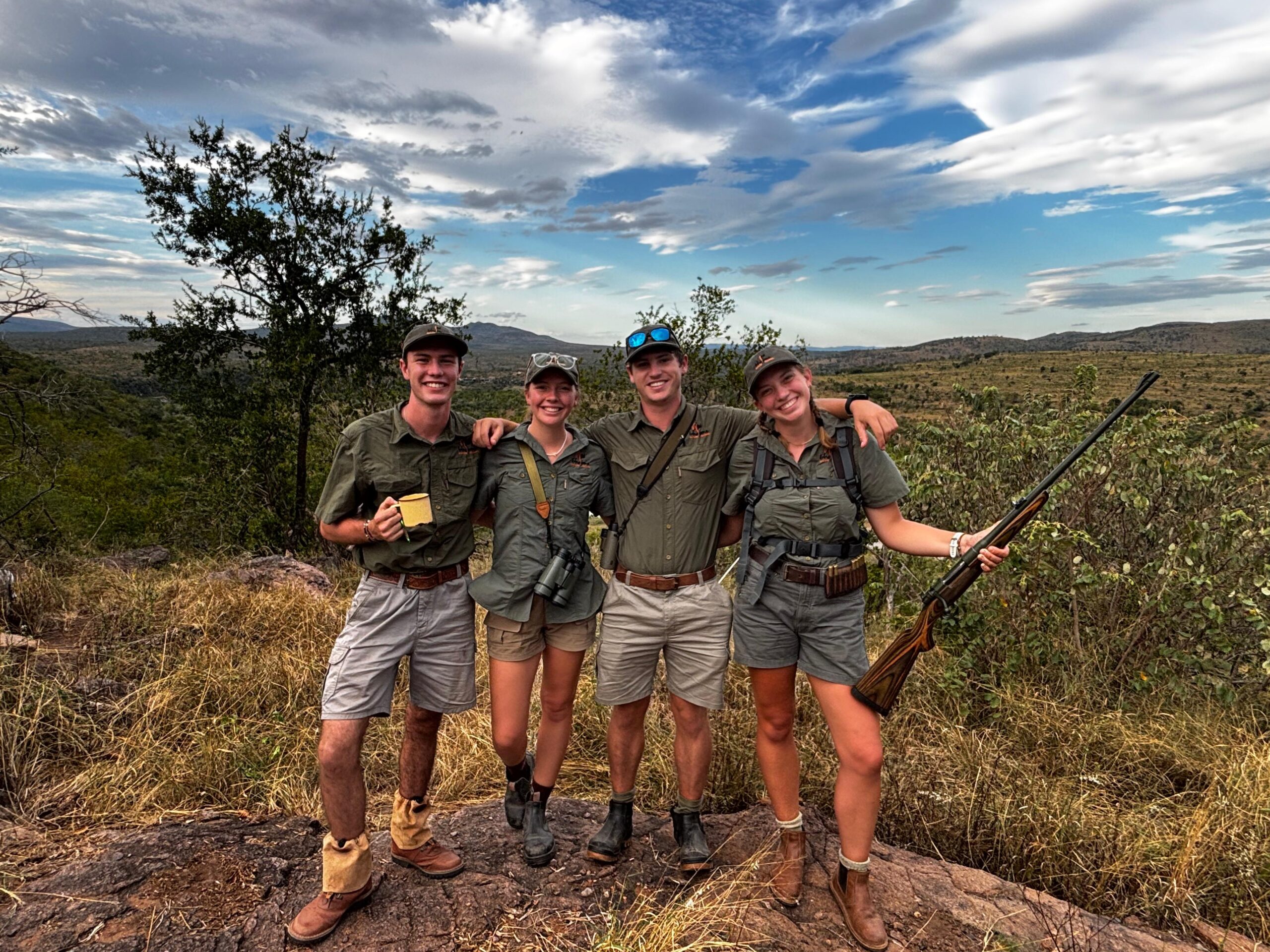
People Skills Matter as Much as Wildlife Knowledge
Many aspiring guides imagine that knowing everything about nature is what makes a great safari guide. In reality, it’s something simpler.
Great guides enjoy people.
That doesn’t mean they all have big personalities or love being the centre of attention. Many outstanding guides are naturally quiet. What they share is genuine warmth that makes guests feel welcome. They’re curious about other people’s stories. They love sharing experiences rather than just delivering facts.
What they share is something we often call “a guide’s smile.”
It’s the warmth that makes people feel welcome.
It’s genuine curiosity about other people’s stories.
It’s a love of sharing experiences rather than simply delivering information.
The guides who leave lasting impressions aren’t those who know the most facts.
They’re the ones who make people feel like they’re part of the adventure.
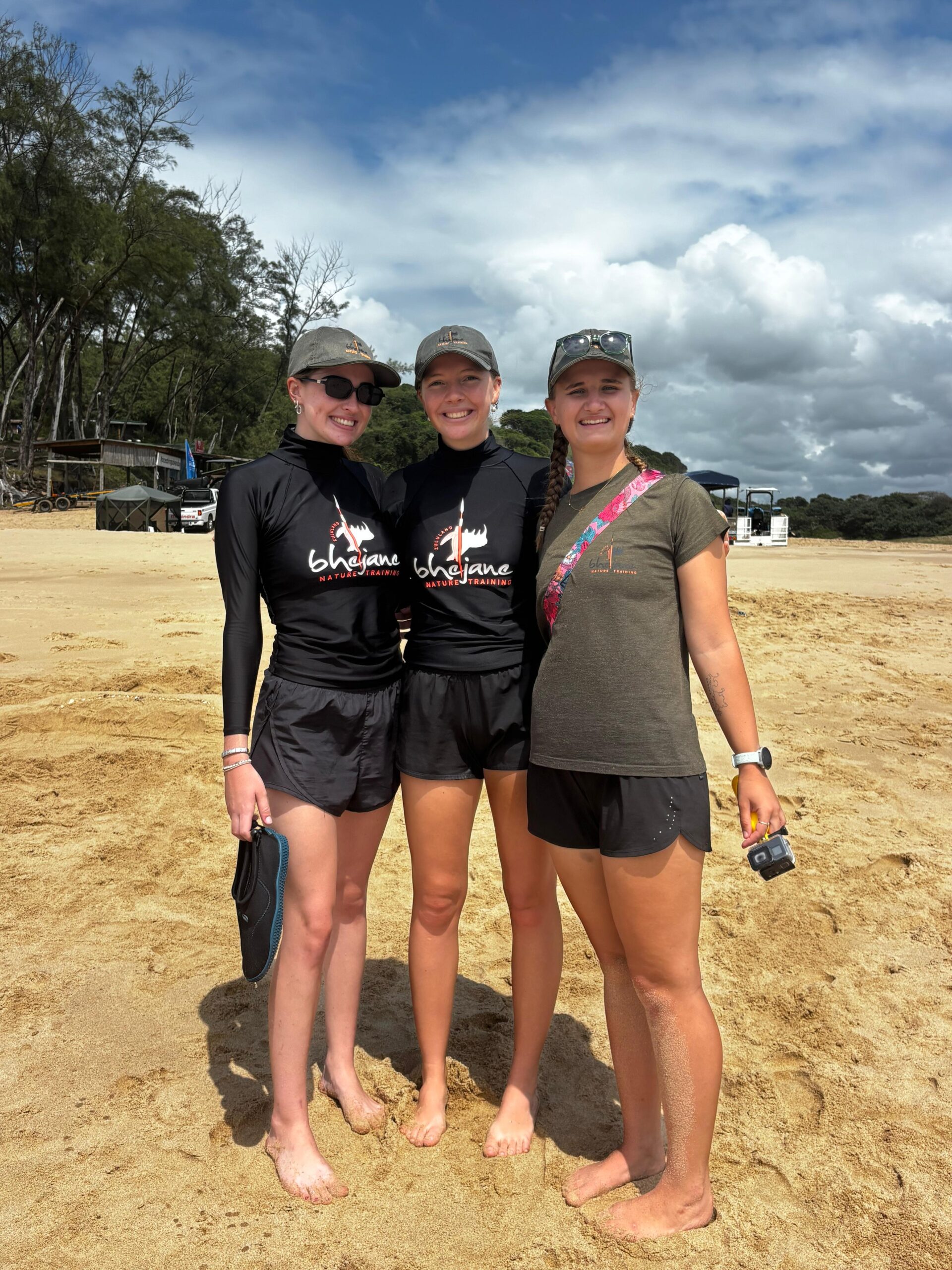
Adaptability wins every time!
Tourism is unpredictable. Every day brings different guests, different weather, different wildlife, and different challenges.
If you need everything to go according to plan, this career will test you.
Successful field guides understand something important. The goal isn’t to control every situation. The goal is to control your response to every situation.
That mindset changes everything. Instead of seeing obstacles, they see stories. Instead of becoming frustrated when plans change, they get creative. Instead of waiting for perfect conditions, they make every situation memorable.
The Quiet Achievers Often Surprise Us Most
Some students arrive full of confidence, only to struggle once they enter the workplace to find their feet. Others quietly go about their business during training. They aren’t always top performers academically. They aren’t always the loudest voices in class. They simply keep learning.
Then something remarkable happens. Once they’re trusted with responsibility, they bloom. Their confidence grows. Their professionalism shines. Suddenly they’re leading guests, mentoring colleagues, and achieving things nobody predicted.
Success doesn’t always look the way you expect
Some of the graduates we’re proudest of weren’t obvious success stories during their training.
A previous student was an average student academically. He lacked confidence, was hesitant and often doubted himself. What he never lost was his sense of humour and his willingness to keep growing. Once he entered the industry, he improved year after year, setting bigger goals and continually raising his own standards. Today he is recognised as one of the industry’s outstanding professionals. Ultimately getting recognised as the 2025 Safari Guide of the year.
Another student had more enthusiasm than organisation. Professionalism didn’t come naturally, deadlines weren’t always his strength, and ADHD presented its own challenges. But he loved people, loved the outdoors and never lost his excitement for learning. It wasn’t long before he progressed from wildlife monitor to reserve manager.
For another student Dyslexia and ADHD made many aspects of training difficult, and there were moments of real frustration. Yet she never stopped trying. She treated everyone with respect, remained curious and kept showing up. Today she has progressed through the industry and was selected for a prestigious guide selection programme. One of her comments afterwards made us smile: she looked around at these so-called elite guides and realised that Bhejane had prepared her every bit as well.
These stories remind us that potential is often hidden beneath uncertainty.
What Employers Actually Want
Many students assume employers search for the most qualified guide in the room. That’s not what we hear from the safari industry.
Employers want guides they can trust. People who arrive on time. People who take pride in their work. People who represent the lodge professionally. People who communicate well. People who stay calm under pressure.
Qualifications matter, of course. But qualifications open the door. Character builds the career.
Why we teach differently
At Bhejane, we don’t believe a student’s future should be defined by their worst week.
We deliberately expose students to many different specialist fields because we know careers develop in different directions.We don’t judge someone’s future purely by academic performance.
We allow students to make mistakes, learn from them and mature.
Over the years we’ve heard some say, “This student is wasting their parents’ money.” We can honestly say we have never found that to be true.
We’ve met students who were overwhelmed. Students who lacked confidence. Students who hadn’t yet discovered how they learn best. Students who hid behind “I don’t care” because they were afraid of failing.
Given encouragement, different approaches and the chance to grow, many of those same students have gone on to build exceptional careers.
Could This Career Be for You?
If you’re wondering whether becoming a field guide is right for you, ask yourself these questions:
Do you enjoy being outdoors even when conditions aren’t perfect?
Do you enjoy meeting new people and hearing their stories?
Are you curious enough to keep asking “why?”
Can you laugh when plans change?
Are you willing to make mistakes if it means learning something valuable?
Perhaps it’s time to find out where you belong in the safari industry.
If you’re still asking yourself whether this is the right career for you, that’s okay. You don’t have to know exactly where you’ll end up. You simply need the curiosity to begin.That’s what this course is designed to help you discover.
Frequently Asked Questions
What qualities make a successful field guide?
The most successful field guides share a positive attitude, genuine enjoyment of people, and the ability to adapt when plans change. They treat every learning opportunity as valuable and remain curious throughout their careers. These qualities often matter more than academic performance or prior wildlife knowledge.
Do I need perfect test scores to become a field guide?
No, perfect test scores don’t guarantee success in the safari industry. While qualifications are important, employers look for people they can trust: guides who are professional, communicate well, stay calm under pressure, and genuinely enjoy sharing experiences with guests. Character and attitude often predict long-term success better than academic results alone.
How important is wildlife knowledge before starting field guide training?
Wildlife knowledge on day one matters far less than your willingness to learn and your attitude toward the training process. Students who arrive with curiosity, enthusiasm, and openness to every experience typically thrive, regardless of their starting knowledge level. The training is designed to build the skills and knowledge you need. A student who is eager to grow will always outperform someone who believes they already know enough.
What’s the difference between students who thrive and those who struggle during training?
Students who thrive approach every opportunity with excitement and curiosity, whether it’s a sunrise game drive or helping with a wildlife survey. They focus on learning rather than finding the “perfect” experience. Students who struggle often wait for opportunities that match a specific picture in their minds and miss valuable learning moments as a result.
Can introverted people become successful safari guides?
Absolutely. Many outstanding safari guides are naturally quiet or introverted. Success doesn’t require a loud personality. It requires genuine warmth, curiosity about guests’ stories, and the ability to make people feel welcome and part of the experience. Introverted guides often excel at creating meaningful, personal connections with smaller groups.
Posted on: 30 June, 2026 by the Bhejane Tribe